Repair. Reuse. Reskill.
Helping save money, reduce waste, and build practical repair skills

At Ecofix, our mission is to provide hands-on technical education and training that prepares learners for successful careers and skilled trades.
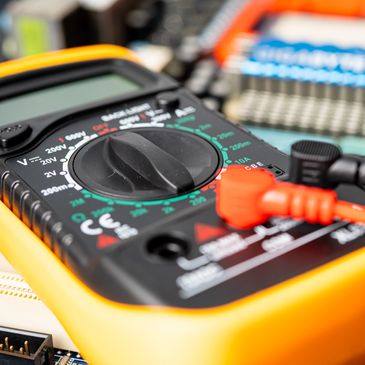
We deliver accessible appliance repair training through a hybrid model combining online learning with hands-on practical workshops. Our courses are safety-led, designed for real-world repairs, and give learners the confidence and skills needed to repair appliances properly and responsibly.

We work with independent retailers, charities, and community organisations to strengthen local repair networks. By upskilling staff, supporting reuse schemes, and sharing practical repair knowledge, we help build a more sustainable, circular economy that benefits both people and the environment.

“Repair isn’t just cheaper – it’s better for communities and the environment.”

We help householders save money and reduce waste by offering safe, affordable appliance repairs and clear guidance on simple maintenance. By extending the life of everyday appliances, we help families avoid unnecessary replacement costs while supporting more sustainable living.
We support independent electrical retailers by upskilling staff in appliance diagnostics and repair, reducing costly returns, scrappage, and reliance on external engineers. This enables retailers to offer added-value services, improve customer satisfaction, and strengthen long-term business sustainability.
Ecofix provides accessible, practical training that leads directly to real-world repair skills. Our hybrid learning model removes common barriers to retraining and helps learners gain confidence, recognised competencies, and pathways into employment or self-employment in a growing repair-focused sector.
We work with charities and community organisations to increase safe repair, testing, and reuse of appliances. This helps groups expand the range of items they can accept and resell, supports vulnerable households with affordable goods, and strengthens the local circular economy.
